Your shoulder does more work than you think
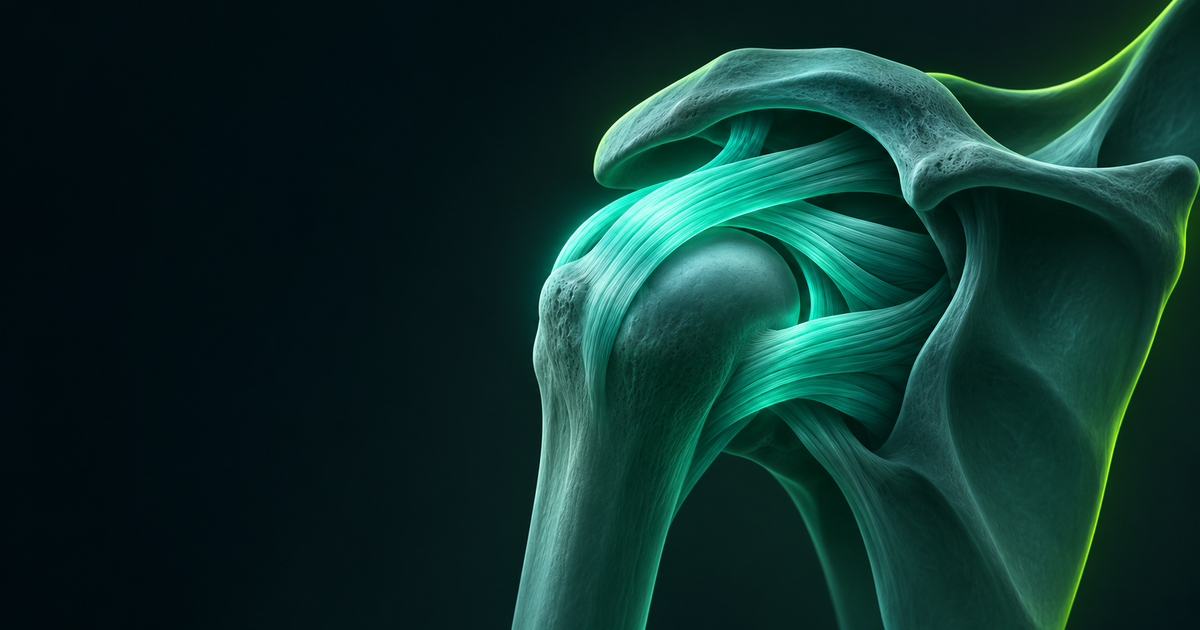
Think about how many times a day you reach overhead, throw, lift, push, or pull. Your shoulder is the most mobile joint in your body, and that freedom of movement comes at a price: it is also one of the easiest joints to wear down. Here in the South Bay, that wear comes from volleyball serves on the sand, paddleboarding in King Harbor, golf swings in Palos Verdes, and years of lifting kids, groceries, and gym weights.
When shoulder pain lingers for months, shoulder PRP in Torrance offers a non-surgical option designed to support your body's own repair process, so you can get back to the things you love.
Why shoulder injuries are slow to heal
The tendons of the rotator cuff have a relatively limited blood supply compared with muscle. Fewer healing signals reach the area, so small tears and irritation can hang around far longer than they should.
Many people follow a familiar pattern: rest, ice, anti-inflammatories, maybe a cortisone shot. The pain eases for a while, then comes right back the moment they return to the activity they love. That cycle is often what leads patients to look at regenerative options.
What is PRP?
Platelet-rich plasma is a concentrated portion of your own blood that is especially rich in platelets and the growth factors they carry. Those growth factors are the same signals your body uses every day to support tissue repair. By concentrating them and placing them precisely where they are needed, PRP is intended to give your natural healing response a head start.
Because PRP comes entirely from your own blood, the risk of an allergic reaction is very low.
Shoulder conditions PRP may help with
- Rotator cuff tendinopathy and partial-thickness tears
- Shoulder tendonitis and bursitis
- Biceps tendon irritation at the front of the shoulder
- Overuse strain from overhead sports like volleyball, swimming, tennis, and paddleboarding
- Shoulder osteoarthritis and age-related joint wear
Not every shoulder is a PRP shoulder. Some injuries, such as large complete tears, may need a surgical opinion first. If that is your situation, we will tell you straight.
How shoulder PRP works
- Consultation and exam. We review your history, how your pain behaves, and any imaging you already have.
- Blood draw. A small sample is taken, similar to a routine lab test.
- Concentration. The sample is spun in a centrifuge to separate and concentrate the platelets.
- Targeted injection. The PRP is placed into the specific tendon or area of the shoulder that needs support.
The treatment itself is usually done in a single office visit.
PRP vs. cortisone for shoulder pain
Cortisone is a powerful anti-inflammatory. It can calm a flare quickly, but its job is to quiet symptoms, and many providers limit how often it is used in the same joint. PRP works on a different timeline. Its goal is to support your body's repair process, so changes, when they come, tend to build gradually over several weeks rather than overnight. Your provider can walk you through which approach fits your shoulder and your goals.
What to expect after treatment
Many patients return to normal daily activities the same day. Mild soreness, stiffness, or tenderness at the injection site for a few days is common and temporary. Your provider may ask you to pause heavy lifting or overhead sports for a period and may recommend gentle movement or rehab exercises to go with your treatment. Your provider will tell you what to expect for your situation.
Is shoulder PRP right for you?
You may be a good candidate if your shoulder pain has lasted for months, you have already tried rest, physical therapy, or injections, or you want to avoid or delay surgery so you can stay active. Every treatment at our Torrance clinic starts with a consultation to review your health history and goals, and to make sure PRP is a good fit. You can also learn more on our Platelet Rich Plasma page.
Ready to find out if PRP fits your shoulder? Call (424) 206-1511 or book a consultation with our team on Hawthorne Boulevard, serving Torrance, Redondo Beach, Hermosa Beach, Manhattan Beach, Palos Verdes, and San Pedro.
This article is for general educational purposes and is not medical advice. Regenerative therapies are not guaranteed to work for everyone; results vary. Please consult a qualified provider to determine what's appropriate for you.
— Torrance Regenerative Medicine, Clinical Team